injury recovery treatment NJ
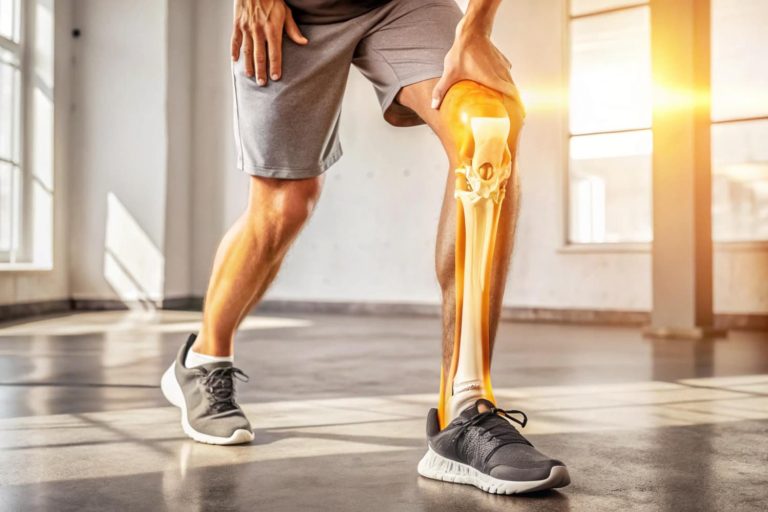
Recovering from an injury isn’t always as simple as resting until the pain disappears. Effective injury recovery starts with understanding what was injured, why symptoms are continuing, and which treatment approach is appropriate for the specific tissue and condition. Resources from MedlinePlus on sports injuries explain important aspects of injury symptoms, diagnosis, and treatment, reinforcing the importance of an appropriate approach to recovery.
For some patients, an injury recovery treatment in NJ may include rehabilitation, interventional pain management, prolotherapy, or certain regenerative medicine approaches, depending on the injury and individual needs.
At Stem Cell of NJ, the goal is to evaluate the source of musculoskeletal pain and develop an individualized treatment strategy designed to improve function, mobility, and quality of life.
Why Some Injuries Take Longer to Heal
A minor muscle strain may improve relatively quickly, while injuries involving tendons, ligaments, joints, cartilage, or other structures can be more complicated.
Recovery can be influenced by factors such as:
- The type and severity of the injury
- Which tissue or joint is involved
- Previous injuries to the same area
- Age and overall health
- Activity level
- How long the injury has been present
- Joint stability and mobility
- Whether an underlying condition is contributing to the pain
- The rehabilitation program being followed
This is why treating pain alone doesn’t always solve the underlying problem.
For example, two patients may both complain of knee pain, but one could have a ligament or tendon injury while another has degenerative joint changes. Their symptoms may sound similar, yet their treatment plans could be very different.
The First Step in Injury Recovery: Find the Source of the Pain
One of the most important parts of injury recovery is obtaining an accurate diagnosis.
Instead of asking only:
“Where does it hurt?”
A comprehensive evaluation should also consider:
“What structure is causing the pain, and why isn’t it recovering normally?”
Depending on the injury, this evaluation may involve reviewing your symptoms, medical history, previous treatments, physical examination findings, and available diagnostic imaging.
Understanding the underlying problem allows your healthcare provider to determine whether conservative rehabilitation, interventional pain management, regenerative medicine, prolotherapy, or another treatment strategy should be considered.
Where Regenerative Medicine Fits Into Injury Recovery
Regenerative medicine is an umbrella term covering different biologic and treatment approaches. It should not be treated as a single procedure or as an automatic solution for every injury.
Certain regenerative approaches are intended to work with biological processes involved in tissue repair and healing. Depending on the condition and procedure, a physician may discuss regenerative medicine as one component of a broader injury-recovery strategy.
However, patient selection matters.
A treatment that may be considered for one type of musculoskeletal problem may not be appropriate for another. The severity of the injury, affected tissue, medical history, previous treatments, and individual recovery goals should all be considered.
Regenerative treatments should also not be described as guaranteed to regenerate damaged tissue, reverse arthritis, or eliminate the need for surgery. Evidence and regulatory status vary depending on the specific procedure and medical indication.
Prolotherapy and Musculoskeletal Injuries
Prolotherapy is an injection-based treatment sometimes considered for certain musculoskeletal conditions.
The procedure involves injecting a solution into targeted areas with the intention of stimulating a localized healing response. It may be discussed in cases involving certain ligament, tendon, or joint-related problems.
Prolotherapy isn’t appropriate for every injury. A medical evaluation is necessary to determine whether it makes sense based on the patient’s diagnosis and circumstances.
What Is Interventional Pain Management?
Persistent pain can sometimes interfere with rehabilitation itself.
If your shoulder, knee, hip, neck, or back hurts every time you move, you may begin avoiding certain movements. Over time, reduced activity can contribute to weakness, stiffness, and loss of function.
Interventional pain management focuses on identifying and treating specific sources of pain using targeted medical approaches.
Depending on the diagnosis, this can become part of a broader recovery strategy that may also incorporate exercise, rehabilitation, lifestyle modifications, or other treatments.
The objective isn’t simply to temporarily hide pain. A well-designed treatment plan should help patients work toward improved movement and function whenever possible.
Injury Recovery Is Often a Process, Not a Single Treatment
Patients understandably want to know:
“How long will it take before I’m better?”
There isn’t one recovery timeline that applies to everyone.
A more useful way to look at recovery is through measurable stages.
| Recovery Stage | Primary Goal | What May Be Evaluated |
|---|---|---|
| Initial Evaluation | Identify the injury | Pain, mobility, strength, imaging and medical history |
| Early Treatment | Reduce barriers to recovery | Pain, inflammation, movement limitations |
| Rehabilitation | Restore function | Strength, flexibility, stability and mobility |
| Progressive Recovery | Increase activity | Ability to perform normal activities with fewer limitations |
| Return to Activity | Safely resume activities | Strength, movement quality and symptom response |
| Long-Term Management | Reduce recurrence risk | Exercise, mechanics, conditioning and lifestyle |
The goal should not necessarily be to get through these stages as quickly as possible. It should be to progress safely and appropriately for the injury.
Should You Exercise While Recovering From an Injury?
Complete inactivity isn’t automatically the best solution for every musculoskeletal injury.
In many situations, appropriately controlled movement and rehabilitation can be important parts of recovery. The key word is appropriate.
Trying to “push through” significant pain without understanding the injury can potentially make matters worse. On the other hand, unnecessarily avoiding movement for extended periods may contribute to stiffness, weakness, or reduced mobility.
Your healthcare provider can help determine which activities should be temporarily modified and which movements may support your recovery.
Why Does an Old Injury Sometimes Start Hurting Again?
This is a common question.
An injury may feel better before strength, stability, mobility, or movement mechanics have completely returned. When normal activity resumes, the affected area may again be exposed to stresses it isn’t prepared to handle.
Recurring symptoms can also indicate that another underlying issue is contributing to the problem.
Instead of repeatedly treating flare-ups without investigating their cause, persistent or recurring pain deserves a proper medical evaluation.
When Should You Have an Injury Evaluated?
Consider seeking medical evaluation when pain is persistent, worsening, repeatedly returning, or significantly limiting normal activity.
Symptoms that shouldn’t simply be ignored can include:
- Persistent joint or muscle pain
- Significant swelling
- Reduced range of motion
- Difficulty walking or performing normal activities
- Joint instability
- Weakness
- Pain that repeatedly returns with activity
- Symptoms that aren’t improving as expected
Certain symptoms following an injury can require urgent medical attention. Severe trauma, inability to bear weight, obvious deformity, rapidly increasing swelling, loss of sensation or movement, or other serious symptoms should be evaluated promptly.
A More Personalized Approach to Injury Recovery
The most important question isn’t:
“What’s the best treatment for injuries?”
It’s:
“What’s the right treatment for my specific injury?”
There is no universal injection, procedure, medication, or exercise program that works for every patient.
At Stem Cell of NJ, patients can be evaluated to better understand the source of their pain and discuss treatment options that may include regenerative medicine, prolotherapy, interventional pain management, or other appropriate approaches.
If an injury isn’t improving—or pain keeps returning—getting a clearer understanding of the underlying problem can be an important next step toward recovery.
Schedule an Evaluation at Stem Cell of NJ
If you’re dealing with persistent pain from a sports injury, joint injury, overuse injury, or another musculoskeletal problem, contact Stem Cell of NJ to discuss your symptoms and available treatment options.
Contact Information
Office Location
1354 Route 36
Hazlet, NJ 07730
Tel: 732-264-2233
Tel: 732-END PAIN
Website: https://stemcellofnj.com/